Tips for Creating a Relaxing Home Office Environment
Creating a relaxing home office environment is key to maintaining focus, reducing stress, and enhancing productivity. With many people spending more time working from home, the design and feel of your workspace can greatly impact your day-to-day experience. Whether you have a dedicated room or a small corner, making your home office a peaceful retreat requires thoughtful planning and simple adjustments.
Below are tips to help you create a calming, comfortable, and efficient workspace.
Choose a Quiet, Comfortable Space
Find the Right Location
Selecting a quiet and private area for your home office is the first step toward creating a relaxing work environment. Ideally, your workspace should be away from household noise, distractions, and heavy foot traffic. If possible, reserve a spare room or a corner where you can close the door.
Consider Natural Light and Ventilation
Natural light has powerful effects on mood and energy levels. Try to position your desk near a window to benefit from daylight. Good ventilation is also important to keep the room fresh and prevent stuffiness, which can contribute to discomfort and sluggishness.
Focus on Ergonomic Furniture
Invest in a Comfortable Chair
Since you might spend several hours seated, a supportive and adjustable office chair is essential. Look for chairs with lumbar support, cushioned seats, and adjustable height to maintain good posture.
Choose a Desk That Fits Your Needs
The desk should fit your work habits and available space. It should be large enough to hold your computer, essential supplies, and additional items like notebooks or a lamp. Adjustable desks that allow standing or sitting options can also promote better health.
Declutter and Organize
Keep Surfaces Clear
A cluttered desk can overwhelm the mind and hinder focus. Organize your workspace by keeping only daily essentials visible and storing other items out of sight.
Use Storage Solutions
Shelves, drawer organizers, and filing cabinets help keep documents and office supplies neatly arranged. Labeling storage containers can make it easier to find what you need quickly.
Minimize Cables and Electronics
Use cable organizers or clips to keep wires tidy and prevent tangling, which can add to visual clutter. Limit unnecessary gadgets to reduce distractions.
Incorporate Calming Colors and Decor
Choose Soothing Colors
Colors have psychological impacts on mood. Soft blues, greens, and neutral tones like beige or light gray promote calmness and focus. Avoid overly bright or harsh colors that can increase stress.
Add Personal but Minimal Decor
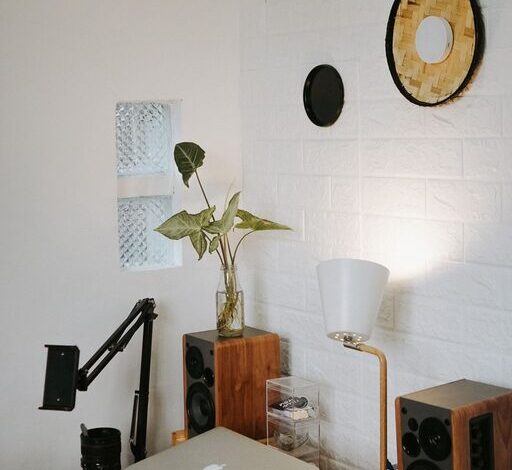
Include a few items that reflect your personality or inspire you, such as a framed photo, a piece of art, or a decorative plant. Keep it minimal to avoid distracting your attention.
Bring Nature Indoors
Add Greenery
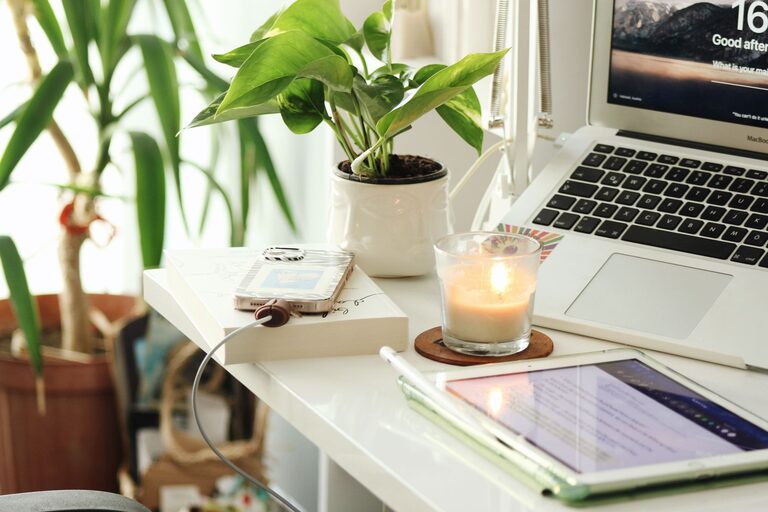
Houseplants can improve air quality and add natural beauty. Easy-to-care-for plants like snake plants, pothos, or succulents are ideal for home offices.
Use Nature Sounds or Scents
If appropriate, play soft nature sounds like water streams or birdsongs to create a soothing background. Aromatherapy with gentle scents such as lavender or eucalyptus may help reduce tension.
Optimize Lighting for Comfort
Use Layered Lighting
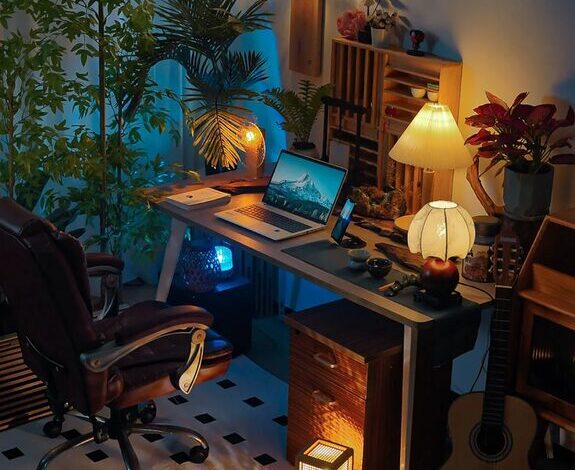
In addition to natural light, combine overhead lights with task lighting. A desk lamp with adjustable brightness allows you to control light levels and reduce eye strain.
Avoid Glare
Position your screen and lights to minimize glare and reflections. Anti-glare screen protectors or monitor hoods can also help reduce discomfort.
Establish a Routine and Boundaries
Set Work Hours
Maintaining regular work hours helps separate your professional tasks from personal time, reducing stress and burnout.
Create a Startup and Shutdown Ritual
Begin each workday by organizing your desk or reviewing tasks. At the end of the day, tidy up your workspace to signal the transition out of work mode.
Incorporate Movement and Breaks
Take Regular Breaks
Stepping away from your desk every hour can refresh your mind and reduce fatigue. Stretching or short walks help keep your body active.
Include Space for Stretching or Exercises
If space allows, designate a small area where you can do stretches or light exercises during breaks. This promotes well-being and breaks the monotony of sitting.
Use Technology Wisely
Minimize Notifications
Turn off nonessential notifications and use “Do Not Disturb” modes to stay focused during work blocks.
Utilize Productivity Tools
Apps for task management, time tracking, or meditation can improve organization and support a relaxed mindset.
—
Creating a relaxing home office environment supports your professional success and personal well-being. With careful attention to space, comfort, organization, and ambiance, you can transform your workspace into a pleasant area that fosters creativity, focus, and calm. Remember, small changes can make a significant difference in your daily work experience. Take the time to create a space that feels just right for you.